Chemical Recycling and Mass Balance Accounting Under EPR and PPWR
Chemical recycling and mass-balance accounting let producers claim recycled content from advanced recycling, but the rules for what counts and what evidence is needed vary by jurisdiction. Here is how it works and where the edge cases bite.
By Kevin Kai Wong, Managing Partner at gCurv Technologies
June 22, 202611 min read
Key takeaways
11 min read- Chemical recycling breaks plastics down to their molecular building blocks or intermediate feedstocks, which can then be used to make new plastic.
- When recycled feedstock enters a production system alongside virgin feedstock and they are physically mixed, you cannot point to specific molecules in the output and call them recycled.
- For producers, that means a recycled-content claim built on chemical recycling cannot be assumed to travel across markets.
- A defensible chemical-recycling claim generally rests on third-party chain-of-custody certification, documentation of the allocation method used, and a clear link from the certified...
- Chemical recycling is a tool for meeting recycled-content minimums under PPWR, UK Plastic Packaging Tax, and US state recycled-content rules, but only to the extent each program accepts...
Chemical Recycling and Mass Balance Accounting Under EPR and PPWR
By Kevin Kai Wong, Managing Partner at gCurv Technologies
As recycled-content mandates tighten across the UK, EU, and US states, producers are looking beyond mechanical recycling to meet them. Chemical recycling, also called advanced recycling, can process plastics that mechanical recycling cannot, and it relies on mass-balance accounting to allocate recycled content to finished products. But what counts as recycled content, and what evidence is required to claim it, varies significantly by jurisdiction. This is one of the most consequential edge cases in packaging compliance.
This guide explains what chemical recycling and mass balance are, how the accounting works, and where the differences between regimes create risk.
What Chemical Recycling Is
Chemical recycling breaks plastics down to their molecular building blocks or intermediate feedstocks, which can then be used to make new plastic. Unlike mechanical recycling, which grinds and remelts material while keeping its polymer structure, chemical recycling can in principle handle mixed, contaminated, or hard-to-recycle plastics that mechanical processes reject.
That capability is why it features in recycled-content strategies. But chemical recycling feeds into large, continuous production systems where recycled and virgin feedstocks are processed together, which is where mass balance comes in.
What Mass Balance Accounting Does
When recycled feedstock enters a production system alongside virgin feedstock and they are physically mixed, you cannot point to specific molecules in the output and call them recycled. Mass balance is a chain-of-custody accounting method that allocates the recycled input across outputs according to defined rules, so a producer can claim a quantity of recycled content that corresponds to the recycled feedstock that actually entered the system.
The integrity of a mass-balance claim depends entirely on the allocation rules and the certification behind them. Different rule sets allocate recycled content differently, and not every allocation approach is accepted by every regulator.
Why the Rules Differ by Jurisdiction
This is the heart of the edge case. Jurisdictions take different positions on whether chemically recycled content counts toward recycled-content obligations, which mass-balance allocation conventions are acceptable, and what certification is required as evidence. A claim that satisfies one program may not satisfy another, even for the identical material.
For producers, that means a recycled-content claim built on chemical recycling cannot be assumed to travel across markets. Each jurisdiction's stance on mass balance has to be checked, and the evidence has to match what that program accepts. The same one-record, multi-output discipline that applies to mechanical recycled content applies here, only with more scrutiny. See one recycled content evidence record, three jurisdictions.
The Evidence That Holds Up
A defensible chemical-recycling claim generally rests on third-party chain-of-custody certification, documentation of the allocation method used, and a clear link from the certified feedstock to the specific SKUs claiming the content. Because the claim is an accounting construct rather than a physical property, the documentation is the claim. Weak evidence here is not a minor gap; it can invalidate the recycled-content position entirely and expose the producer to back-fees or penalties.
This is the same failure mode that turns any recycled-content claim into a liability when the evidence is thin. For how problematic that becomes under tax regimes, see UK PPT recycled content exemption evidence.
How It Fits Recycled-Content Mandates
Chemical recycling is a tool for meeting recycled-content minimums under PPWR, UK Plastic Packaging Tax, and US state recycled-content rules, but only to the extent each program accepts mass-balance claims and the specific allocation method used. Producers should treat chemically recycled content as conditional until verified against each target, not as a universal solution. For the broader recycled-content mandate picture, see PCR content: meeting recycled mandates.
What to Do Now
Four steps for producers considering chemical recycling for compliance:
1. Confirm, per jurisdiction, whether chemically recycled content counts toward the relevant recycled-content obligation.
2. Identify which mass-balance allocation conventions and certifications each target program accepts.
3. Obtain third-party chain-of-custody certification and document the allocation method for every claim.
4. Link certified feedstock to specific SKUs so each claim is traceable and defensible.
How Packgine Helps
Packgine tracks recycled-content claims at the SKU level, records whether each claim rests on mechanical or chemically recycled content, stores the chain-of-custody certification and allocation documentation behind mass-balance claims, and flags where a claim is accepted in one jurisdiction but not another. The same evidence base feeds EU PPWR, UK Plastic Packaging Tax, and US state recycled-content rules, so a producer can see exactly where a chemical-recycling claim holds and where it does not.
Calculate your recycled-content position or book a working session with the Packgine team.
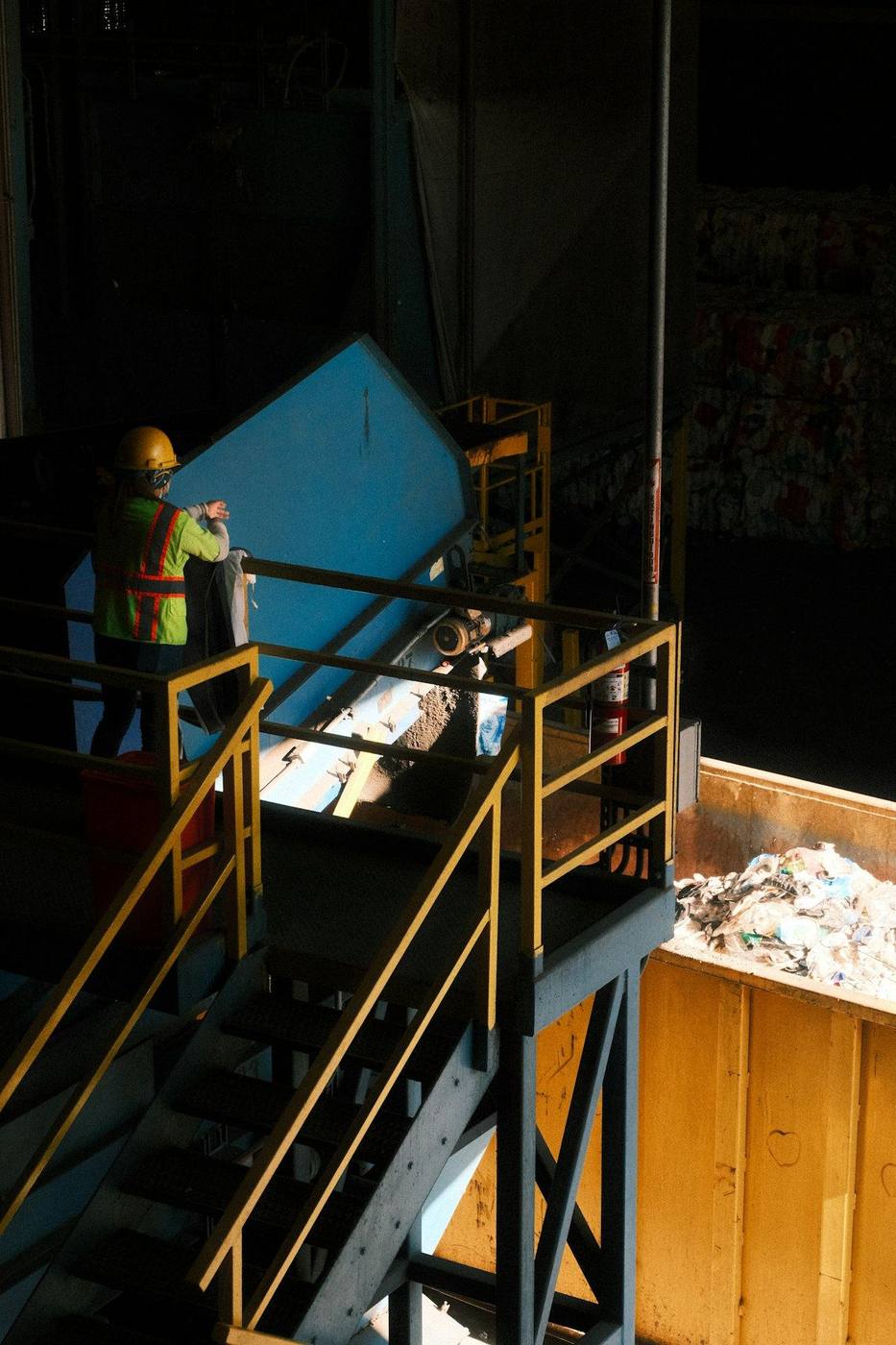
Image credit: photo from Unsplash (free license).
Ready to automate your packaging compliance?
See how Packgine manages EPR, PPWR, and sustainability reporting from a single dashboard.
Compliance overview
Related articles
Scope & Edge Cases · United Kingdom, European Union
Marketplace Producer EPR: Amazon, Walmart, eBay
Scope & Edge Cases · United Kingdom, European Union
Small Producer Thresholds: UK, EU, and US EPR
Scope & Edge Cases · European Union
Food Contact Packaging Exemptions: EPR and PPWR
Operations · United Kingdom, European Union
One Recycled Content Evidence Record, Three Jurisdictions: A Cross-Jurisdiction Model
EU Compliance · European Union
PPWR Recyclability Grades: How A, B, and C Are Assigned and What They Mean
Operations · United Kingdom, European Union
Building a Multi-Jurisdiction EPR Compliance Calendar: Every Deadline for 2026 to 2028